Editorial disclosure: ComparePilot compares sourced manufacturer information. Vehicle pages do not claim hands-on testing, dealer inventory, or a current transaction price.
Buyer-specific comparison
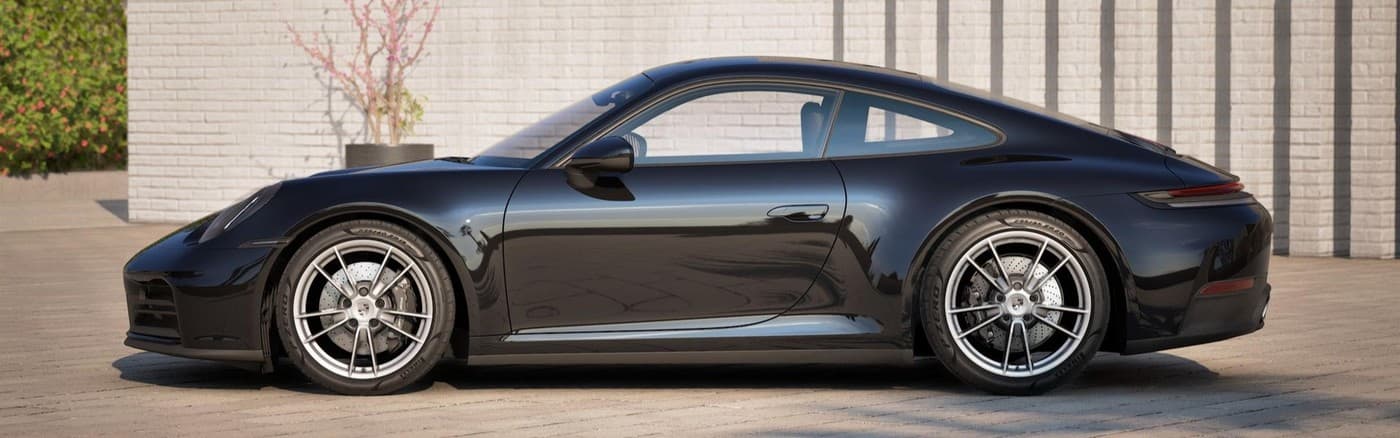
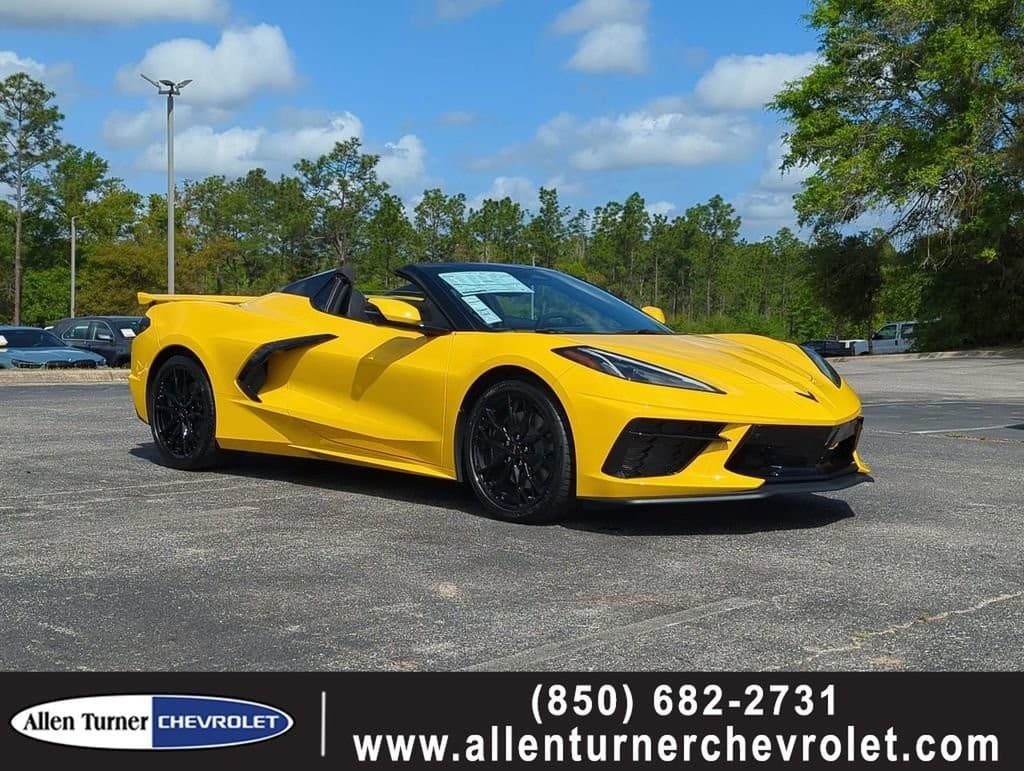
2027 Porsche 911 Carrera vs 2026 Corvette Stingray
DIRECT ANSWER
No universal winner.
Rear-engine precision meets mid-engine American performance, with both cars proving a sports car can still be usable away from the track.
Choose by use case, configuration, and ownership priorities; the guidance below explains where each option fits.
2027 Porsche 911 Carrera
The 2027 911 Carrera uses a 388-hp twin-turbo flat-six, rear-wheel drive, and 8-speed PDK, with Porsche listing 0-60 mph in 3.9 seconds and a 183-mph top track speed on summer tires.
Best for: Buyers who want an exceptionally polished sports car that blends rear-engine character, daily usability, and serious track capability
The 2026 Corvette Stingray uses a mid-mounted 6.2L LT2 V8 and 8-speed dual-clutch transmission. Chevrolet lists 490 hp standard, or 495 hp with the available performance exhaust, with 0-60 mph as quick as 2.9 seconds in the appropriate configuration.
Best for: Buyers prioritizing supercar-like acceleration, mid-engine balance, and everyday usability
Starting MSRP is historical manufacturer evidence recorded on the verification date, not a live dealer quote.
Advantages, tradeoffs, and buyer fit
Who should buy the Porsche 911
Buyers who want an exceptionally polished sports car that blends rear-engine character, daily usability, and serious track capability
Advantages
Benchmark chassis balance and steering precision
Fast PDK plus strong everyday drivability
Deep factory and aftermarket ecosystem across street and track use
Who should avoid it
Very high entry price
Options can raise the price dramatically
Rear seats are best treated as occasional-use space
Who should buy the Chevrolet Corvette
Buyers prioritizing supercar-like acceleration, mid-engine balance, and everyday usability
Advantages
Mid-engine layout gives exceptional launch traction and balance
Very quick dual-clutch transmission and sub-3-second available 0-60 capability
Removable-roof coupe adds open-air flexibility without moving to the convertible
Who should avoid it
No manual transmission
Two-seat layout limits practicality
Popular options and Z51 equipment materially increase price
Methodology and sources
Manufacturer claims are shown as sourced specifications and separated from ComparePilot's editorial fit guidance. No personal ownership or testing is implied.